Can we continue doing what we loved after leaving the world of academia?
Being sad about leaving academia after spending so many years working on a topic you chose for your PhD is very difficult emotionally… and very normal. We have put an enormous amount of effort into it for years, probably experienced periods of burnout and stress, and eventually completed a thesis/dissertation that became one of the most important things we had ever done. After all of that, getting your “doctor” title is something you should be very proud of.
But what happens after? This is something I have already written about in another article, particularly about jumping from academia to an industry career. You can find it here: Jumping from academia (PhD.) to industry careers.
In that article, I talked about why I decided to leave academia, what it was like to start working in industry, and some of the things I learned while making that change. However, there is another question that I think is very important and that I have talked about with other PhDs quite a lot: what happens to all the things we loved doing during our PhDs?
We have been so focused on our research and the things we had to do for years that it makes sense to worry about what will happen to something we loved so intensely if we decide to change our careers. If you start thinking about leaving academia, I imagine many of us have some fear of no longer being able to do what we love doing: researching, learning, talking about topics that are important to us, reading, writing, teaching, or simply working on something that makes us proud as intellectuals. Many PhDs I have talked to have felt some version of this. Academia can become such an important part of our lives that leaving it can almost feel like part of our intellectual world is ending. But getting a job outside academia does not mean that you have to leave that intellectual part of your life behind.
When I was working on my PhD, almost my entire life was around my university and all the things I had to do on a daily basis to survive while doing it. In my case, this included conducting research abroad, especially in Peru and Japan during the summers, reading a lot of sources of information, working as a Teaching Assistant and Research Assistant, teaching courses at the university, and writing a lot. All of this was aside from going to conferences, presenting ideas from my thesis, applying for grants, talking to professors and other researchers, and constantly thinking about what I was researching. This is quite normal when doing a PhD in the United States at least, and I know that many of these things also happen in Europe and elsewhere.
These daily experiences can create a life in which it feels like you are thinking about your research, topics around it and your thesis 24 hours a day, 365 days a year. As a sociologist, I loved many parts of that. I wanted to know more. I loved discovering things, talking about ideas, researching topics I found fascinating and feeling that I was becoming someone who knew something very deeply. I was also proud of the fact that I was able to do it. At the same time, living like this for years had consequences for me. It affected my mental health and burnt me out almost completely, and from conversations with other PhDs I know I am definitely not the only person who experienced something like this.
When I started working in industry, things were very different. Initially, it took me a while to learn things about work that were very different from the academic world. I had to understand how research worked in companies, how to collaborate with people who came from completely different professional backgrounds, and how to conduct research that often had to be completed much more quickly and for very practical reasons. After about a year or a year and a half, I started feeling that I knew enough about working as a researcher in industry and everything became much more comfortable.
At the same time, I realised that my industry job was not very close to many of the things I loved most about academia. My life was completely different from what it had been during the previous years. However, working from around 9am to 5pm also made me realise that I suddenly had two very important things I barely had during my PhD: more time and less stress. Obviously, this depends enormously on the job you have, the industry you work in and the company you join, but in my own experience this separation between work and the rest of my life became extremely important.
With more time, I was able to look again at the things I loved doing when I was working on my PhD, especially how I wanted to move forward with topics I already knew about, what other things I wanted to learn, and how I wanted to continue growing intellectually. I also started to understand something that I had not really thought about before: my job did not need to be the centre of my intellectual life. I could have a job that I enjoyed and found interesting, but I could also continue researching, reading, writing and learning about other things simply because I wanted to do them.
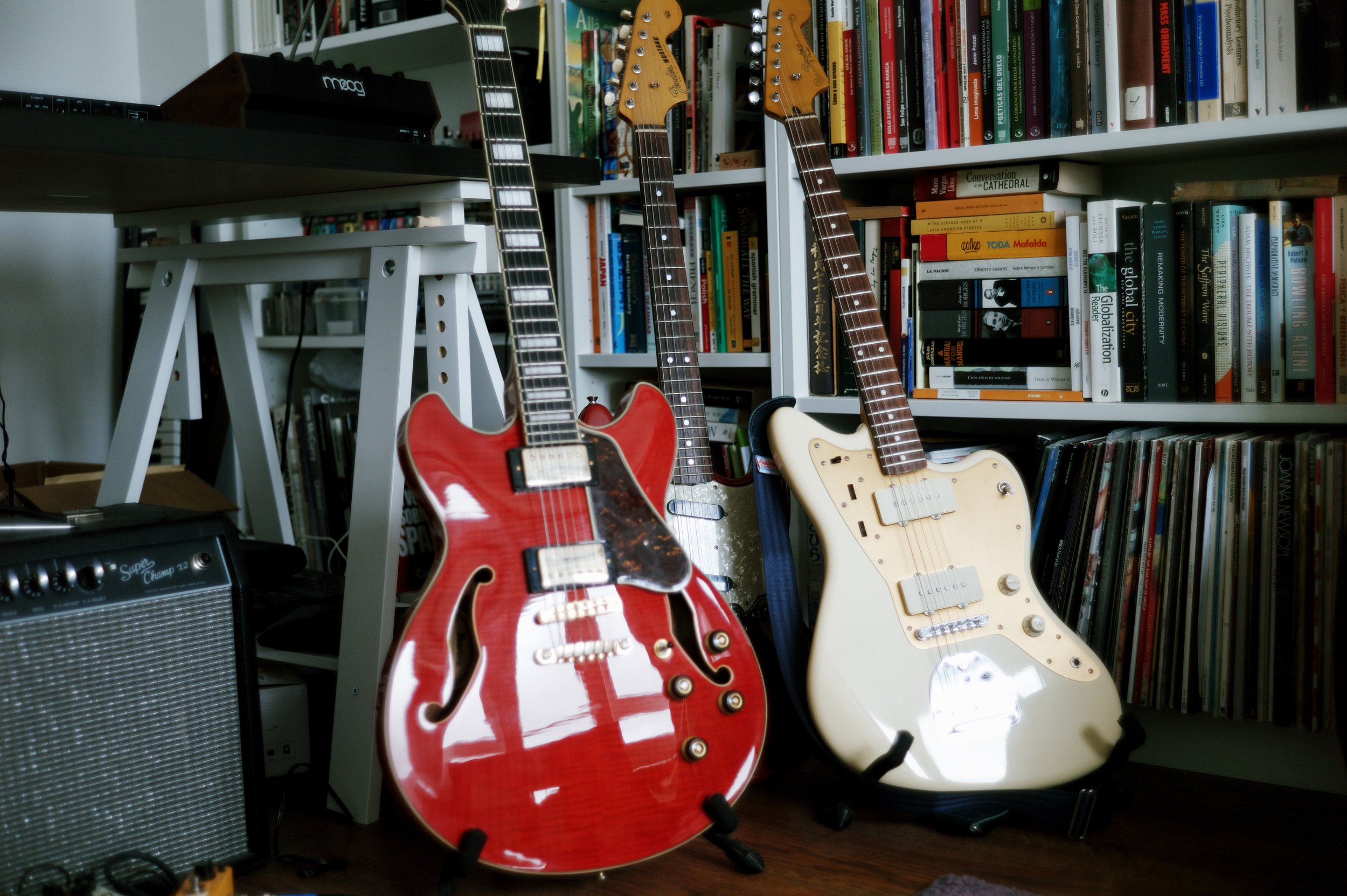
I definitely had more time to focus on things I love. In my case, music.
In my case, I used some of that extra time to rewrite parts of my dissertation/thesis and publish my first book. By doing that, I had to learn much more about publishers, getting feedback, preparing a manuscript and understanding the process of getting a book published. After my first book, I started working on what will hopefully become my second and third books. For both of these upcoming books, I have needed to learn about topics that are quite different from what I focused on during my PhD. I have had to conduct new research, read more and understand ideas that I did not know very much about when I was doing my doctoral research.
As a sociology PhD, I knew a lot about the connections between food, cities and national identities. After working in industry for a few years, especially in design and research, I became interested in other things too, particularly emotions, everyday products, technology, design and how these things are related to social and cultural changes. More recently, other interests I have had for most of my life have also started becoming research topics for me, such as music and photography. What I find interesting is that I do not need all of these interests to fit perfectly within what I researched for my PhD. My PhD gave me the experience and tools to research and understand things deeply, but it did not give me a list of topics I have to focus on for the rest of my life.
Perhaps one of the most important things I have learned is that academia does not own your intellectual life. Universities gave many of us an environment where we learned how to do research and develop ideas, but you do not need to be employed by a university to continue being intellectually curious. In fact, one of the interesting things about doing this outside academia is that you can sometimes have more freedom to decide what you want to investigate. You might research something simply because you are fascinated by it, without needing to convince a supervisor, department, journal or grant committee that it is important enough.
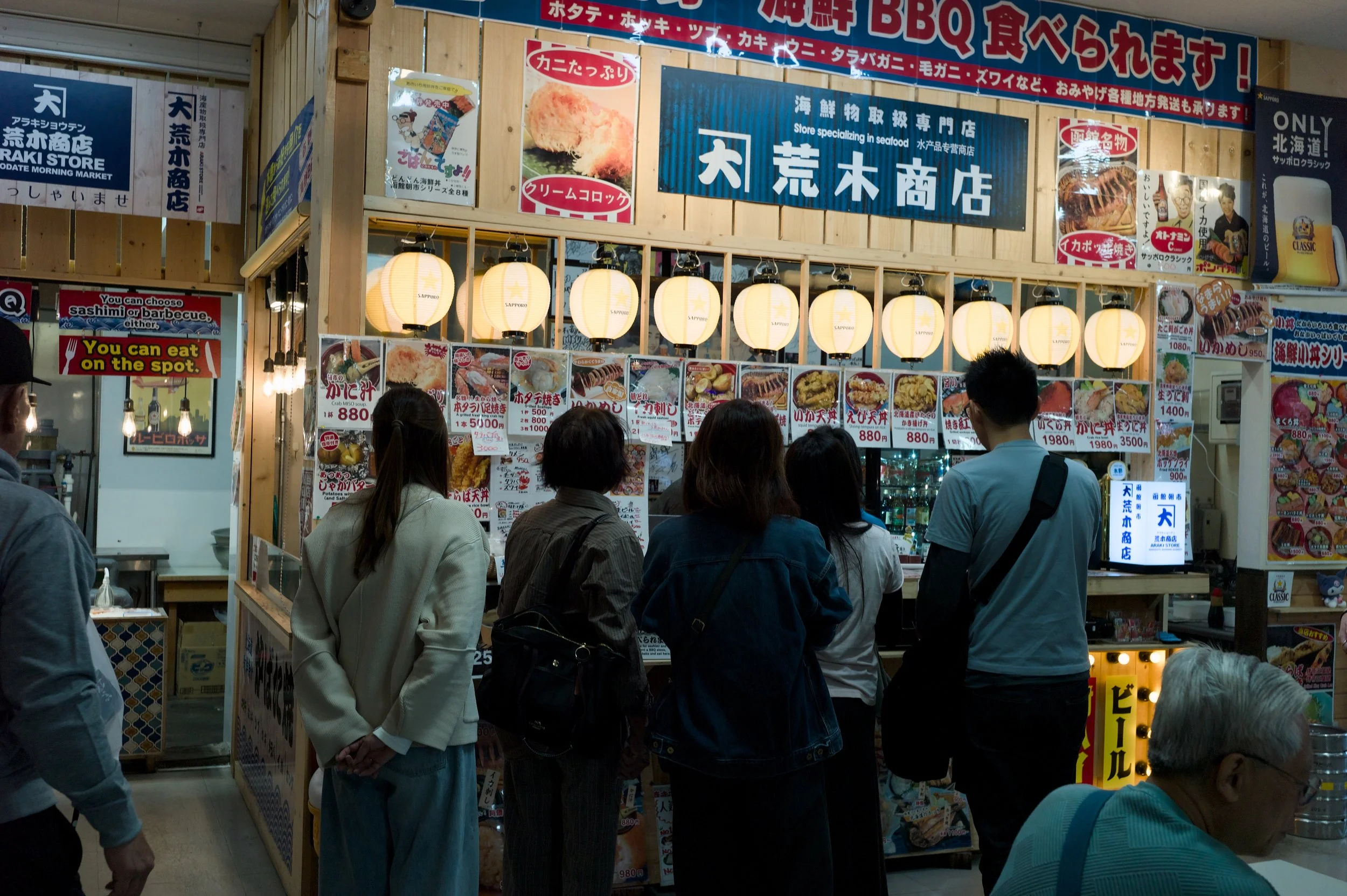
Now I am still interested about food, and I also have more time to travel more often for non-academic reasons.
Of course, non-academic industries are not perfect either. Working outside academia can still be very stressful. You can have bad jobs, difficult managers, unstable companies, boring projects and many of the same problems that exist in universities. For that reason, I think it is important to think carefully about what you actually want from your job and your career, and about the balance between what you have to do, what you want to do, and what might create problems for your wellbeing or overwhelm you again.
Many people finish their PhDs in their late 20s or 30s after spending a very important part of their adult lives studying, researching and working extremely hard. You should be proud of everything you have done, but you also do not need to spend the rest of your life proving to other people that you are intelligent, successful or a good researcher. Your career aims will probably change and your intellectual interests will change too. That does not mean that you stop growing intellectually. It probably means that you are continuing to grow in a different way.
So, if you are finishing your PhD or thinking about jumping from academia to industry,do not assume that you have to leave all of this behind. Your PhD will always be part of what you know, how you think and what you have achieved. Your job might change, and the topics that fascinate you might change too, but your intellectual life does not have to end with academia. Once you have a little more time and space in your mind, you might actually discover that you can decide for yourself what you want that intellectual life to become.
Kind regards/best wishes,
Luis

You have more time and mental space to focus on the things you like.